
FAQ
Questions homeowners actually ask

General
The questions that come up no matter which service brought you here.
Real person, no call center
Can't find your answer?
Call or send a message and a real Smart Roofing estimator gets back to you fast — no phone tree, no pressure.
Four connected service lines: roof repair and replacement, water damage restoration, home remodeling, and window replacement. Because most San Diego home problems cross those lines (a roof leak becomes water damage becomes a ceiling repair), being licensed across all four lets one accountable team handle the whole job.
We serve all of San Diego County, Orange County and the Temecula and Murrieta end of Riverside County. That includes San Diego, Chula Vista, Oceanside, Carlsbad, Encinitas, La Jolla, Del Mar, Coronado, Escondido, San Marcos, Vista, El Cajon, Santee, Poway and the East County back-country, plus Irvine, Newport Beach, Laguna Beach, Mission Viejo, San Clemente and Dana Point in Orange County. Each area has its own conditions, from coastal salt air to inland fire zones to desert heat, and we spec every project to the local requirements.
Estimates are always free. If you want to know what a repair or replacement costs, we scope it and price it at no charge, with no obligation, and give you an honest repair-versus-replace recommendation. A documented roof inspection with a written photo report is a separate, paid service priced up front by roof size, height and report detail. We agree that price with you before we start.
For routine inspections we typically schedule within a day or two. For active water intrusion or storm damage, we prioritize and respond quickly, because with water the first 24 to 48 hours decide how much you lose. Call us as soon as you spot the problem.
Roofing
Roofing questions
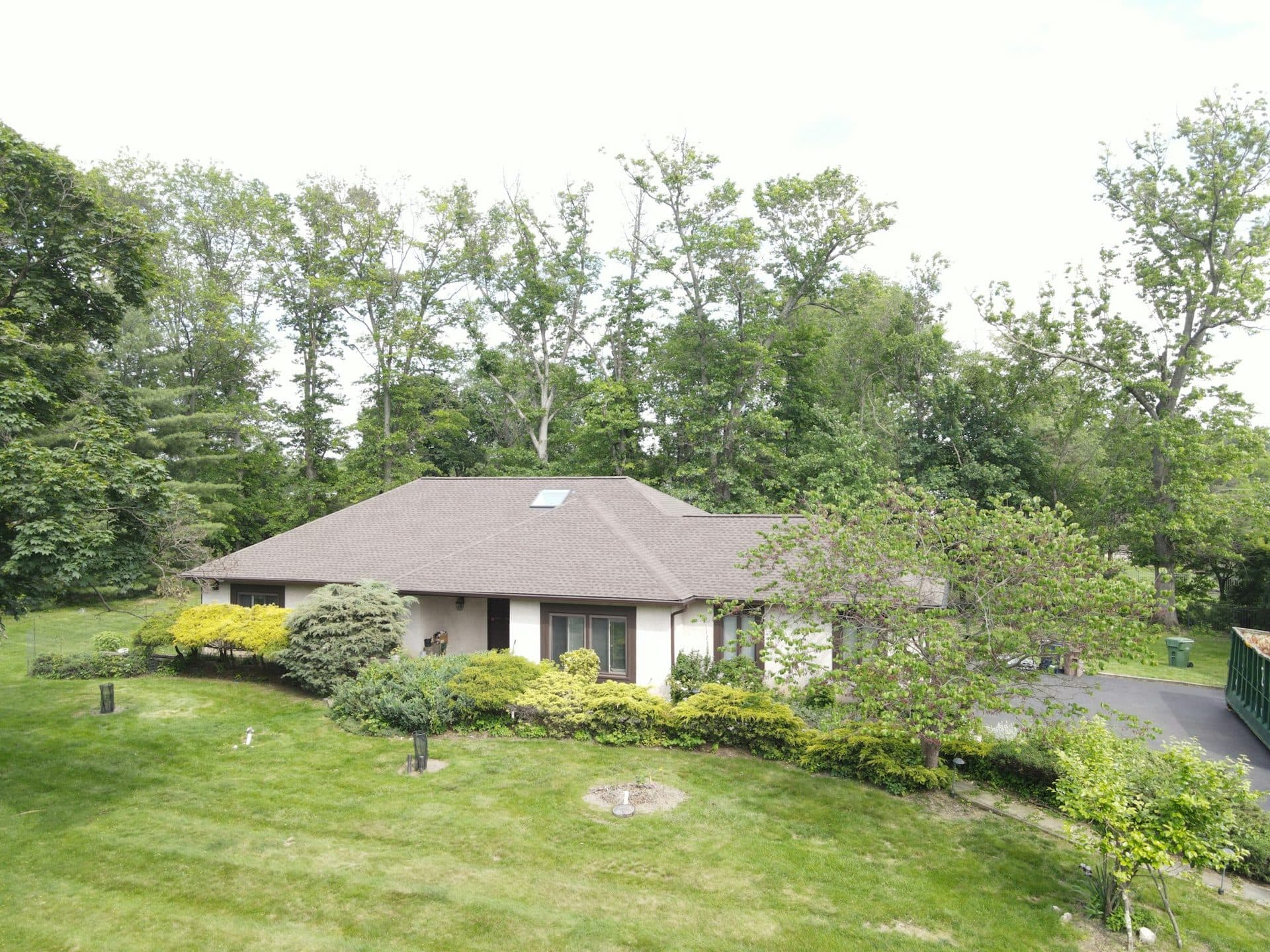
The cost of a new roof in San Diego is driven by roof size, pitch, how many old layers come off, the material tier, and whether your address needs a Class A fire assembly or coastal corrosion-resistant detailing. Because those vary from home to home, we do not post a one-size figure: use our online roof estimator for an instant, address-based estimate, then we confirm a fixed, line-item price after a free estimate.
If damage is limited to a small area and the rest of the roof has real service life left, a repair is the honest fix and we will tell you so. Replacement makes sense when the underlayment is failing across the roof, multiple leaks have started, or the roof is near the end of its material life. Our free estimate includes photos so you can see the difference for yourself before deciding.
Asphalt shingle roofs in San Diego generally last 20 to 30 years, concrete and clay tile can last 40 to 50 years or more, but the underlayment beneath tile usually needs replacing around 25 to 30 years. Coastal salt air and inland heat both shorten those windows. The reliable signal is not age alone but the condition we document at inspection.
Most single-family reroofs take two to five working days. Asphalt shingle is faster; tile and complex roofs with many valleys, skylights or steep pitch take longer. Weather, decking repairs found during tear-off, and HOA or historic requirements can extend the timeline. We give you a firm schedule in the written scope and keep you updated each day.
Homeowners insurance generally covers sudden, storm-caused damage but not wear and age. The key is documentation. We inspect after a storm, photograph the damage, and provide a detailed report you can submit with your claim, and we can meet your adjuster on the roof. We cannot guarantee an insurer's decision, but thorough evidence is what gets legitimate claims approved.
Near the coast, the enemy is salt-air corrosion, so the material matters less than the fasteners and flashing. Concrete and clay tile and quality architectural shingle all perform well when installed with corrosion-resistant fasteners, non-ferrous flashing and upgraded underlayment. We spec the full assembly to your distance from the water.
CertainTeed Premier ShingleMaster is a certification held by less than 1 percent of roofing contractors in the United States, because it requires proven experience, licensing, insurance and ongoing training. For you it means two concrete things: access to CertainTeed's strongest system warranties, which most contractors cannot offer, and a crew trained and certified on the specific roof assembly they are installing.
You do not need to be home the whole time, though it helps to be available at the start so we can walk the plan and at the end for the final inspection. Roof work is loud and there is falling debris, so many families with small children or pets plan to be out during tear-off. We protect landscaping and finish each day with a full cleanup and magnetic nail sweep.
Common signs are missing, cracked or lifted shingles or tiles, granules collecting in gutters, dented flashing or vents, and of course a new interior leak or ceiling stain. Some wind damage is not visible from the ground. After any significant storm we offer a free estimate with photos, which is also the documentation you would need for an insurance claim.
Water Damage Restoration
Water Damage questions
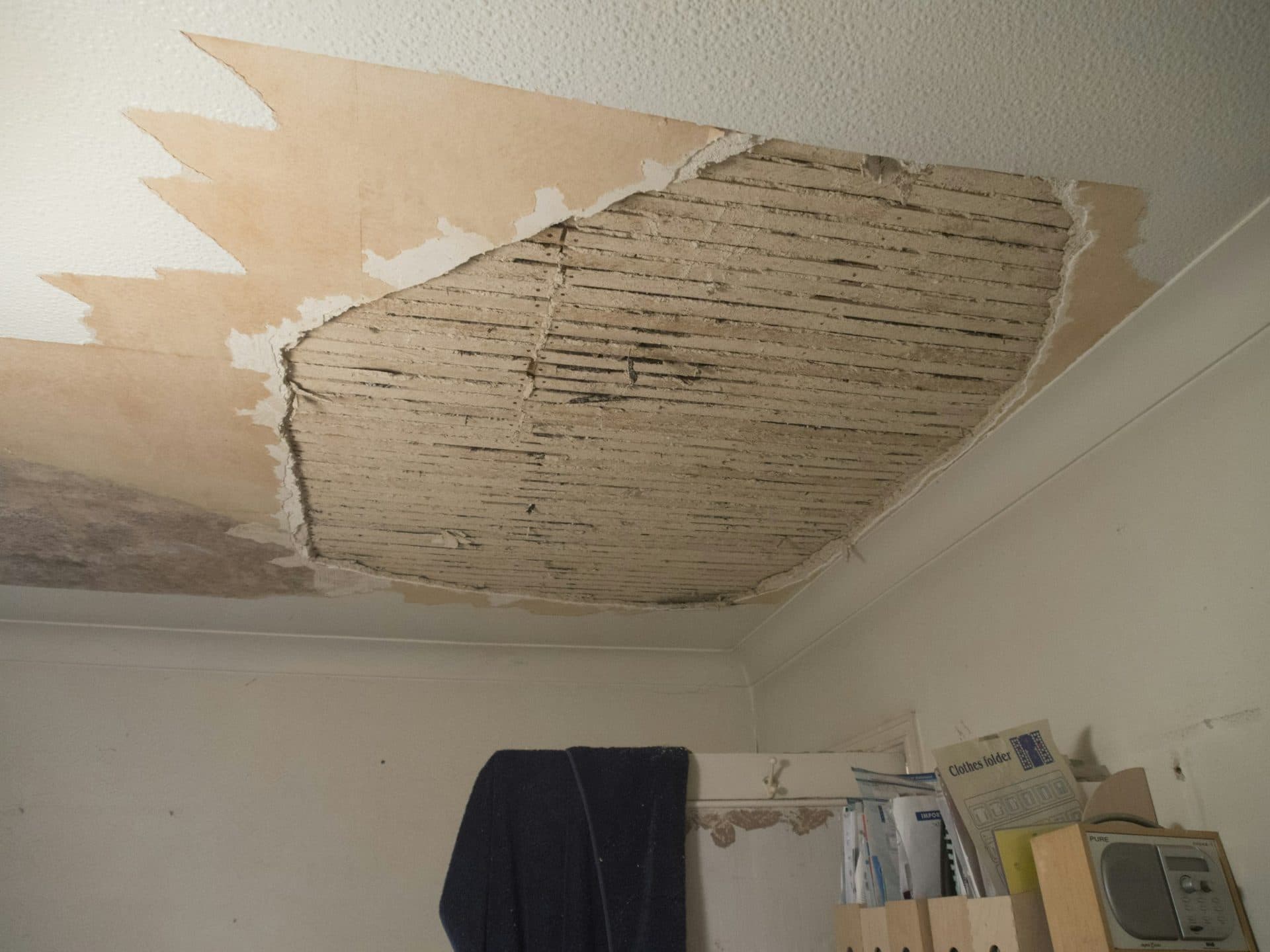
Contain it and call fast. Put a bucket under active drips, move furniture and valuables clear, and if water is pooling near light fixtures, shut off power to that area at the breaker. Do not paint over a stain, that only hides a spreading problem. The sooner we extract water and start drying, the less you lose, because mold can begin within 24 to 48 hours.
Water damage restoration is the process of returning a home to a safe, dry, pre-loss condition after a leak, storm or flood. It covers emergency water extraction, structural drying with moisture monitoring, mold prevention, and repair of the damaged ceilings, walls and flooring. Done properly it also corrects the source, which for most San Diego homes is a roof or flashing failure.
Homeowners insurance usually covers water damage that is sudden and accidental, such as a storm-driven roof leak or a burst pipe, but not damage from long-term neglect or lack of maintenance. Flood from outside the home is a separate policy. We document the source, take moisture readings and photos, and provide a written scope so you can file a well-supported claim.
The cost of water damage restoration depends on how far the water spread, how long it sat, whether the water was clean or contaminated, and whether mold has started. A contained single-room dry-out is a far smaller job than multi-room or contaminated-water damage. We price the emergency mitigation first, then scope the rebuild once the structure is dry, so your number reflects the actual loss rather than a guess.
Fast response is the whole game with water damage, because the difference between a dry-out and a mold tear-out is often just a day or two. We prioritize active water intrusion and get a crew out quickly to stop the source and begin extraction. Call us as soon as you find the problem rather than waiting to see if it dries on its own.
Mold needs moisture, so the prevention is thorough drying, not just surface wiping. We extract standing water, set air movers and dehumidifiers, and monitor moisture levels in the drywall and framing until they return to normal, then treat affected areas. If mold has already formed we remediate it and remove unsalvageable material rather than sealing it in.
Almost always, yes. A brown or yellow ring on the ceiling is dried mineral residue from water that came through and evaporated, and the ring shape marks the edge of each wetting. It usually points to a roof or flashing leak above. Even if it looks dry now, the source is still there and will reopen in the next rain, so it is worth inspecting.
Drying typically takes three to five days with monitoring, and the rebuild adds time depending on how much material was removed. A contained single-room project can be done in about a week; larger or mold-affected jobs take longer. We do not rush the drying phase, because closing up walls before the framing is dry is what causes mold and repeat damage.
Home Remodeling
Remodeling questions
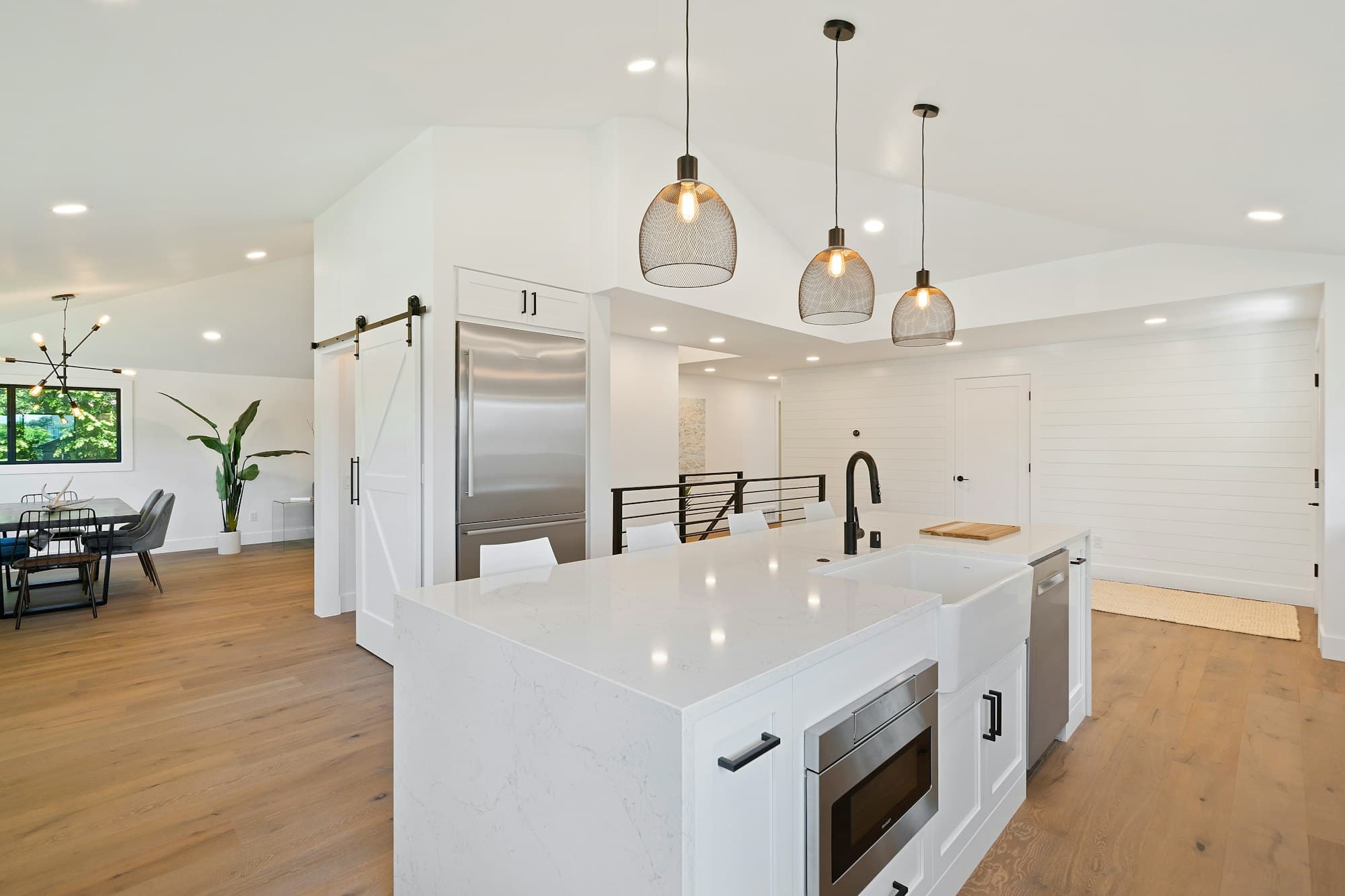
The cost of a San Diego kitchen remodel is driven mostly by cabinetry, whether the layout or plumbing changes, and the finish level. A cosmetic refresh with new counters, paint and hardware is a far smaller project than moving walls with custom cabinetry and high-end appliances. We scope your kitchen in design and give you a fixed, line-item price, so there are no moving numbers.
The cost of a San Diego bathroom remodel depends on size and finish level: a standard hall-bath refresh is a much smaller job than a primary bath with a custom shower, moved plumbing and premium tile and fixtures. Because bathrooms involve waterproofing and plumbing, the work behind the walls matters as much as the finishes, and doing it right is what prevents future water damage. We give you a fixed price after design.
Most remodels that touch plumbing, electrical, structure or the building footprint require a permit, and additions always do. Cosmetic work like paint and flooring usually does not. HOA communities and historic districts add their own approval on top of the city permit. We handle the permitting and any HOA or historic submittals as part of the project rather than leaving it to you.
A bathroom remodel commonly takes three to six weeks, a kitchen six to twelve weeks, and additions or whole-home projects several months. Timeline depends on scope, permitting, material lead times, and what we find once walls are open in an older home. We give you a schedule in the proposal and keep you updated, because surprises usually come from the age of the home, not the plan.
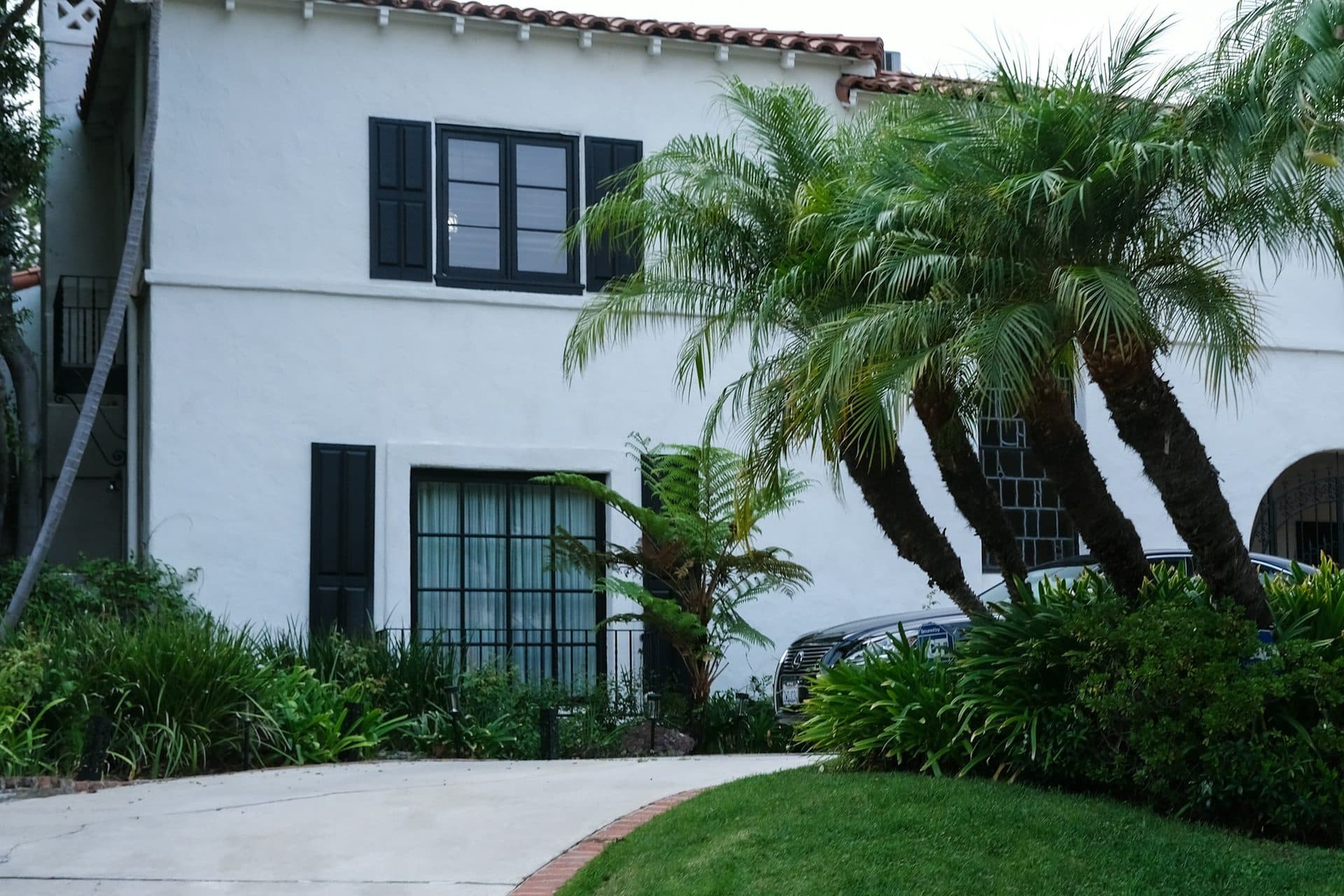
Yes, and on many San Diego homes it is required, not optional. Craftsman, Spanish Revival and mid-century homes each have proportions and materials that a remodel has to respect, and historic districts and HOAs enforce it. We match cabinetry, trim, tile and rooflines to the home's era and the neighborhood standard so the work looks original rather than bolted on.
Yes. We take projects from the first design conversation through permitting and construction to the final walkthrough, as one accountable contractor. That design-build approach means the person drawing the change and the person building it are on the same team, so the budget, the drawings and the finished work actually line up.
Kitchens and bathrooms return the most in San Diego's market, and remodels that fix real issues (dated systems, water damage, poor layout) protect value as much as they add it. We are candid about where your budget earns its return and where it is personal preference, so you spend on the parts that both improve daily life and hold up at resale.
Regularly. We work in San Diego's historic districts and in master-planned HOA communities across the county, and we handle the extra review each requires. That means matching approved materials and profiles and submitting the paperwork, so your project clears architectural or historic review the first time instead of getting flagged mid-build.
Window Replacement
Windows questions
The cost of window replacement depends on the frame material, the size and style of each window, and how many you replace. Vinyl is the most affordable, fiberglass and composite cost more and hold up better on the coast, and large sliders or specialty shapes run higher. Access and any dry-rot repair at the existing opening also move it. We measure every opening and give you a per-window and whole-project price.
In most San Diego homes, yes. Low-E dual-pane windows noticeably cut heat gain in inland heat and reduce drafts and noise everywhere, and they make air conditioning far more effective on the hot east-county days. The payback is a mix of lower energy bills and daily comfort. On older homes with single-pane windows, the comfort difference is immediate.
A whole-home window replacement usually takes one to three days once the windows arrive, depending on the count and access. The manufacturing lead time after measuring is typically a few weeks. We install cleanly, one room at a time, so the house stays livable throughout and every opening is properly flashed and finished before we move on.
Near the coast, fiberglass and quality composite frames outlast vinyl because they resist the warping and hardware corrosion that salt air accelerates. Vinyl still works well a few miles inland and costs less. The bigger issue on the coast is corrosion-resistant hardware and correct flashing, which we spec into every coastal installation regardless of frame choice.
Yes on both. Properly sealed new windows keep salt-laden air and moisture out of the wall, which protects the frame and interior, and dual-pane or noise-rated glass meaningfully cuts street, freeway and flight-path noise. If noise is your main reason for replacing, we can spec a laminated or asymmetric glass package built specifically to reduce it.
Like-for-like retrofit window replacements often need a permit in San Diego even when the opening does not change, and enlarging or moving an opening always does. HOAs may also require approval for visible changes. We handle the permitting so the work is done to code and does not create a problem when you later sell the home.
Savings vary by home, but replacing old single-pane windows with low-E dual-pane commonly reduces cooling costs meaningfully, especially in hot inland areas where the old windows were letting heat pour in. The exact number depends on your home's orientation, insulation and how old the current windows are. The comfort improvement is usually more noticeable than the bill.
Dual-pane windows have two glass layers with an insulating gas fill and are the right choice for almost every San Diego home given the mild climate. Triple-pane adds a third layer for more insulation and noise control but costs more and is rarely necessary here. We usually recommend a good dual-pane low-E package and put any extra budget into frame quality and correct installation.
Found a stain, a leak, or storm damage?
Get a free, no-pressure inspection with photos and a written scope. You decide on evidence, not a sales pitch.